

Written by Charlotte B.
MammaBump Co-founder & mom of three.
Published April 2026
6 mins read
If you've spent the last few weeks searching "wearable breast pumps" and going down comparison rabbit holes, we hear you.
Before we built our own wearable breast pump, we did exactly what you're doing now: searching, comparing, trying to figure out why one pump cost three times another when the spec sheets looked nearly identical.
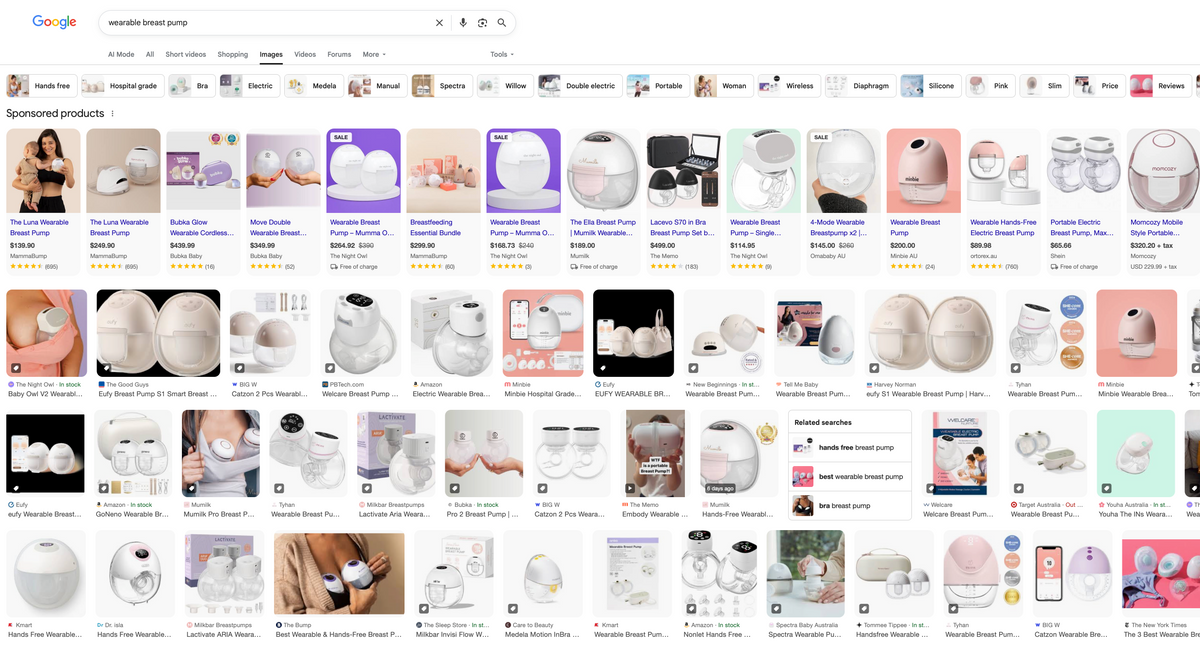
Then we went further than the search results let us go. Over three years of sourcing parts from the same factories that produce the biggest names in the category, we found out something the wearable pump industry doesn't put on the box.
It's the one thing that explains why two pumps that perform almost identically can be priced worlds apart.
"I've spent more on pumps this year than I did on my pram." — Sarah, second-time mom
By the time Sarah found us, she'd been through three wearable pumps in eight months.
The first was a premium app-led brand, the one with the Bluetooth tracking, the fancy charging dock, the influencer ads. It worked. Sort of. But she stopped opening the app after week two.
"I just wanted to pump, not read stats. Tracking my output to the milliliters didn't tell me why it changed, and that turned out to be sleep, stress, hydration, and hormones. Things no app was going to fix."
And at six months, her milk volume started dropping for no reason she could pinpoint. The second was a budget Amazon pump. It lasted nine weeks before the motor started making a noise like a coffee grinder. She returned it. When she messaged us, she opened with:
"I've spent more on pumps this year than I did on my pram. I'm not buying another one until someone tells me the actual difference between them."
Fair question. So we sat down and answered it properly. This is what we sent her.
You're right to be skeptical
Every wearable pump brand uses the same words. Hospital-grade. Hands-free. Quiet. Discreet.
If they all do the same thing, why do their prices look like they belong to different products entirely?
That question is the whole reason this article exists. Because the answer isn't what most moms assume. And once you see it, choosing a pump gets a lot simpler.
It's not engineering. It's branding.
A small handful of factories in Asia manufacture the vast majority of wearable breast pumps on the global market. The premium-tier brands. The mid-tier brands. Many of the names you'd recognise.
We know this because we use one of those same factories.
Our pump comes off a production line that also produces wearable pumps for Spectra, Willow and Momcozy, some of the most recognised names in the category.
Same factory class. Same component grades. Similar suction profiles.
What you're paying extra for, when you spend a premium-tier price, isn't better engineering. It's mostly:
- App development you'll stop using
- Brand prestige and packaging
- Influencer marketing budget
- Retail margin
Not better pumping. Not a stronger suction. Not a better fit.
That's not a conspiracy theory, it's how consumer goods work. We just don't think you should have to pay for it.
What actually matters when pumping at 3am.
Once you stop paying for branding, four things matter when you're pumping. Just four.
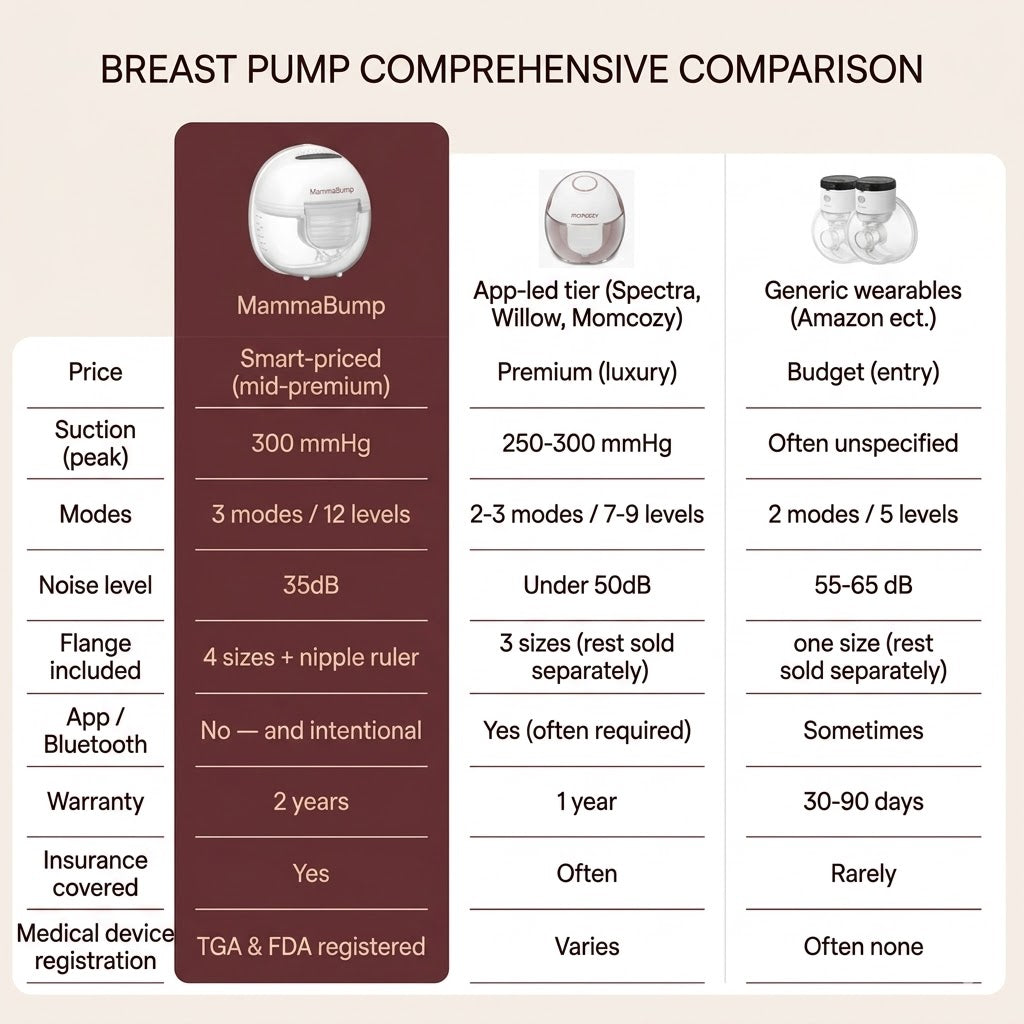
1. Suction that actually empties you. Anything under 280 mmHg peak suction starts to compromise on supply over time. Why it matters: a poorly emptying breast tanks your supply within days, not weeks.
2. Quiet enough to use anywhere. Under 50 dB is the threshold where a pump becomes invisible — quieter than a fridge. Above that, you're hiding in a back room every time you need to pump. Why it matters: pumps you can't use in public, on a Zoom call, or next to a sleeping baby get used less. Less use = less milk.
3. A fit that doesn't hurt by week two. The wrong flange size is the single biggest reason mums abandon pumping. You need real sizing options — multiple inserts in the box, a nipple ruler, no upcharge. Why it matters: pain inhibits letdown. Letdown drives volume.
4. Simple enough that you'll actually use it. Most "smart" features stop getting opened after the first fortnight. The pumps mums keep using six months in are the ones with the fewest moving parts. Why it matters: at 3am, you don't want to troubleshoot a Bluetooth pairing.
That's the entire list. Anything else is upsell.
This is exactly the brief we built The Luna Breast Pump against.
We used the same factory class as Spectra, Willow or Momcozy because the engineering was already solved.
We didn't need to reinvent suction motors; we needed to stop charging moms for things that don't help them pump better.
So we focused on the four things that do.
What matters | What The Luna delivers |
|---|---|
Suction that empties properly | Hospital-Grade: 300 mmHg peak 3 stimulation modes, 12 intensity levels |
Quiet enough to disappear | 35 dB. Whisper quiet. |
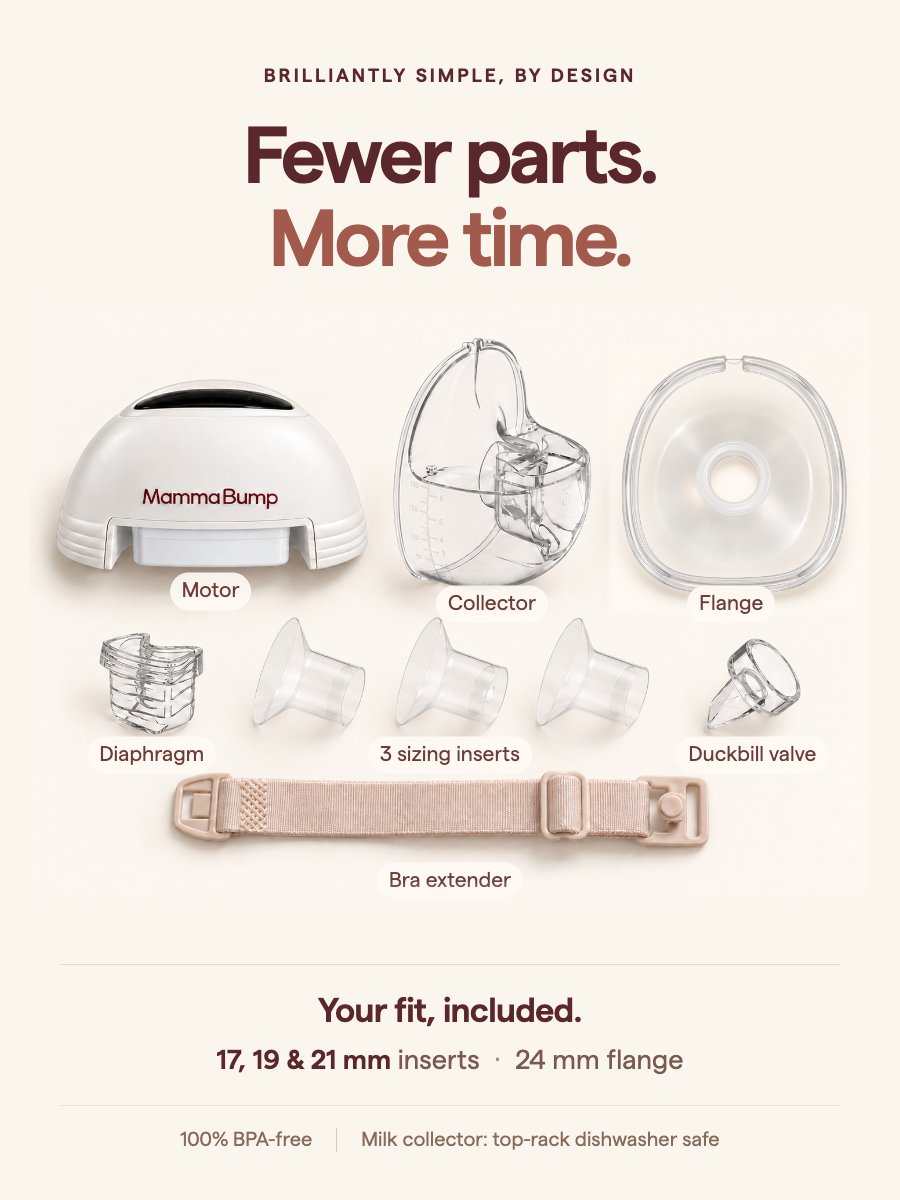
A fit that doesn't hurt | 24mm flange + 15mm / 17mm / 19mm / 21mm inserts in every box, plus a nipple ruler |
Simple to live with | No app. No Bluetooth. No subscription. Two buttons. Easy to clean. |
On the no-Bluetooth thing, we ran the user research. We couldn't find a mum who said her tracking app had ever made her produce more milk. So we left it out. Less to charge for, less to break, less to manage at 3am and no ultra-high frequency (UHF) radio waves near your breast.
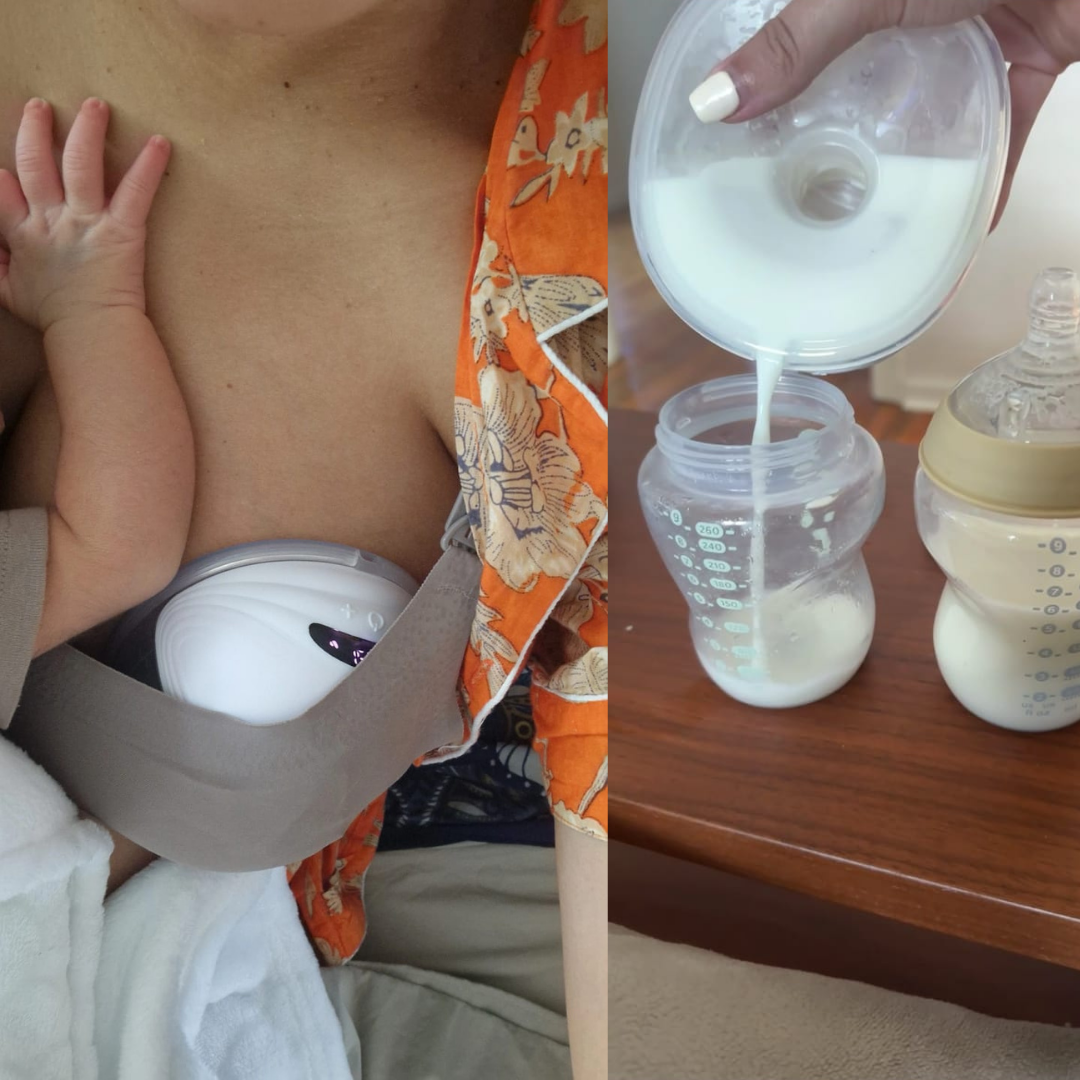
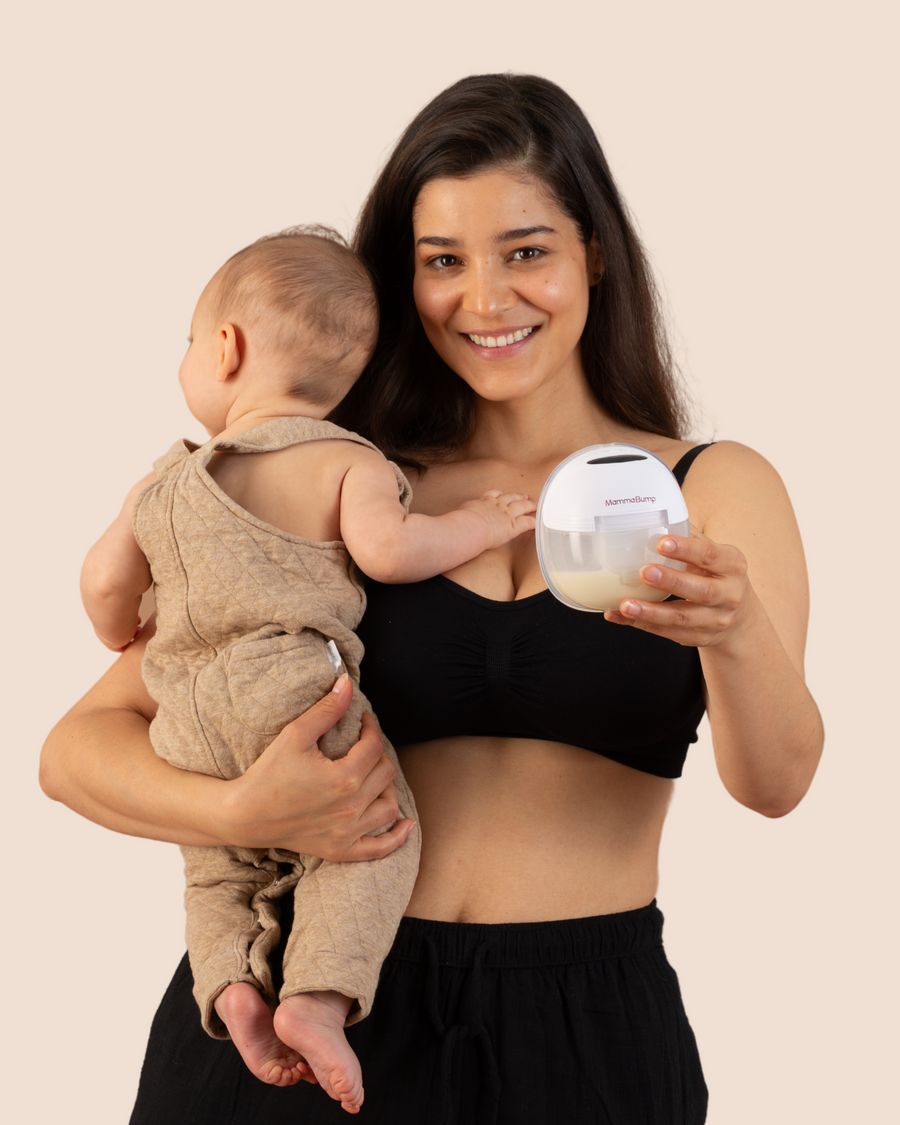
The Luna fits inside any bra. No cords, no app, no setup. Hospital-grade suction in a wearable.
What changes when pumping stops being a thing you have to plan around.
Sarah pumps now while she's making her toddler's breakfast. While she's on Zoom calls (mute on, no one's any wiser at under 50 dB). On the school run, on the way to a coffee meeting. Standing up. Sitting down. Holding her baby in a carrier.
The moms who tell us pumping started feeling "easier" almost always describe the same thing: they stopped scheduling their day around it.
That's the real win. Not better milk volume — though most see that too. It's reclaiming the half-hour blocks that used to disappear, three to six times a day.
Just a few reviews from moms. Read more on the Luna page
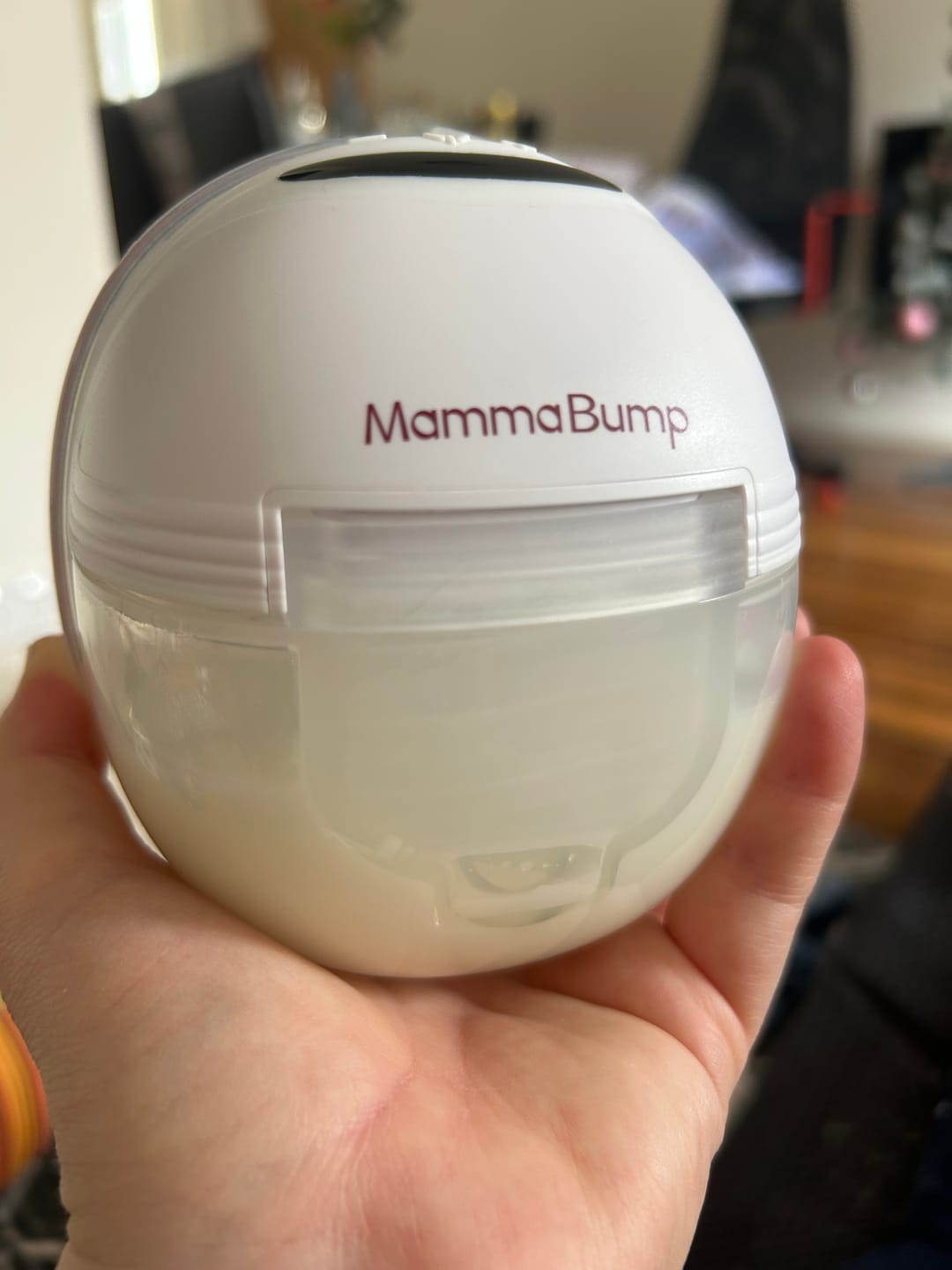
Jade N.
"10/10!!!!! This pump is incredible, and I don’t say this lightly. I previously had the Elvie and paid a hefty price for it, thinking the quality would match… the Elvie is super underwhelming and outputted under 40ml per pump session.
With these MammaBump pumps, I’m getting 100ml+ and with some sessions I get up to 160ml. My biggest session being 250ml…!!!"
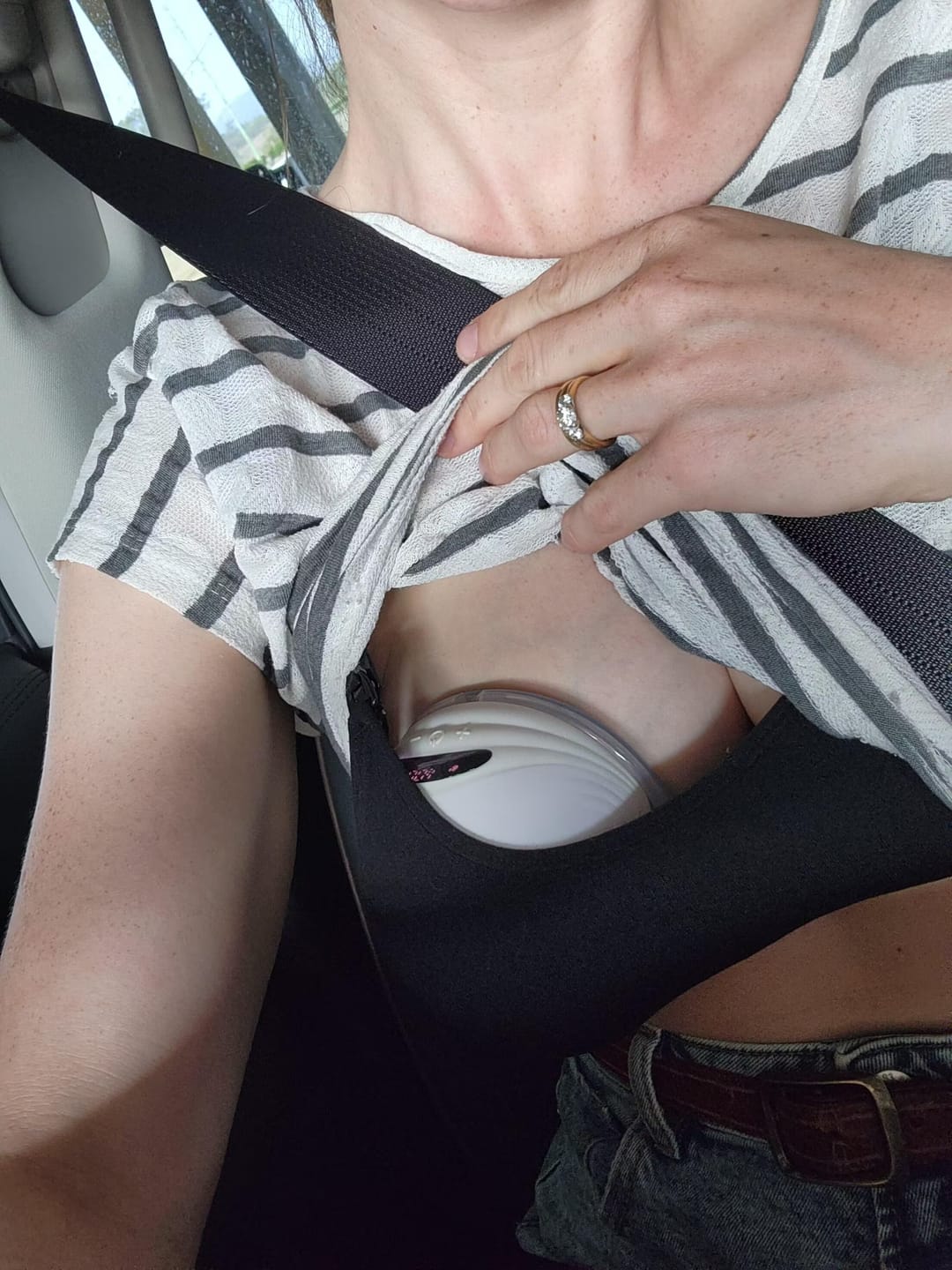
Amy C.
"I couldn’t be happier with my purchase! Being a mum to baby no 2 now, I don’t have time to sit on the couch for 20-30 mins and pump.
The Luna is an absolute game changer for me. I can do so much more around the house, play with my toddler and not waste time! I am also getting a lot more milk from the Luna than I was with my Spectra! Highly, highly recommend this pump. It’s money well worth spent! 😀"
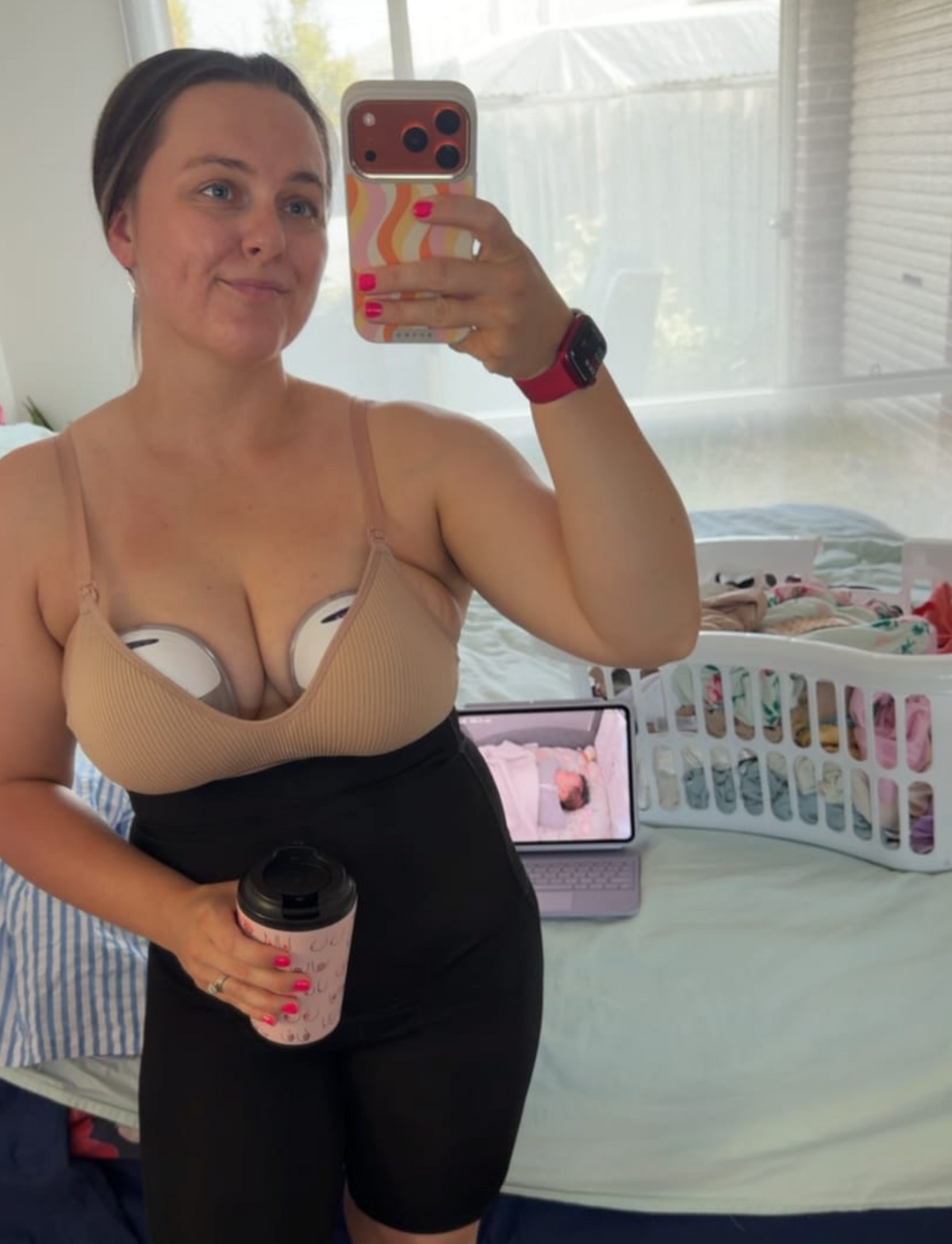
Sarah B.
"I haven’t had such a good pump that gives me great output in a short amount of time. So comfortable and smaller than other brands making it good to go out without people knowing I’m pumping. Easy to clean too."

Carla R.
"I absolutely love how efficient this pump has been. I am able to move around freely and that has been a game changer. I would recommend it to any other moms!"
Three tiers. The same job. Very different price tags.
Still on the fence?
Will the suction actually be strong enough?
300 mmHg peak is the same suction strength as every hospital-grade pump on the market. Most moms find they don't need to go above level 6 or 7 of the 12 available.
What if the fit isn't right?
We include four flange sizes (17mm, 19mm, 21mm, 24mm) and a nipple ruler in every box. Fit is the single biggest reason pumps fail. We solved it on day one.
What if it doesn't work for me?
2-year warranty. If anything goes wrong, send us a video showing the issue and we'll replace the pump or part — no return shipping, no friction.
Why is it cheaper than Elvie if it's as good?
Same factory class. We don't run expensive YouTube ads, we don't pay for an in-house app development team, and we don't add a luxury-brand markup on top. Honest pricing for honest engineering.
Is this just a cheap pump in nicer packaging?
No. The cheap end of the wearable market uses lower-grade silicone, weaker motors, and minimal QC.
We've built ours to a medical-device registration standard. Same materials, same component class, same QC pipeline as the premium tier. Different marketing budget.
What changes when pumping stops being a thing you have to plan around.
You're going to pump every single day for months. The pump should make your life easier, not your bank account lighter for no reason.
The moms who tell us pumping started feeling "easier" almost always describe the same thing: they stopped scheduling their day around it.
That's the real win. Not better milk volume, though most see that too. It's reclaiming the half-hour blocks that used to disappear, three to six times a day.




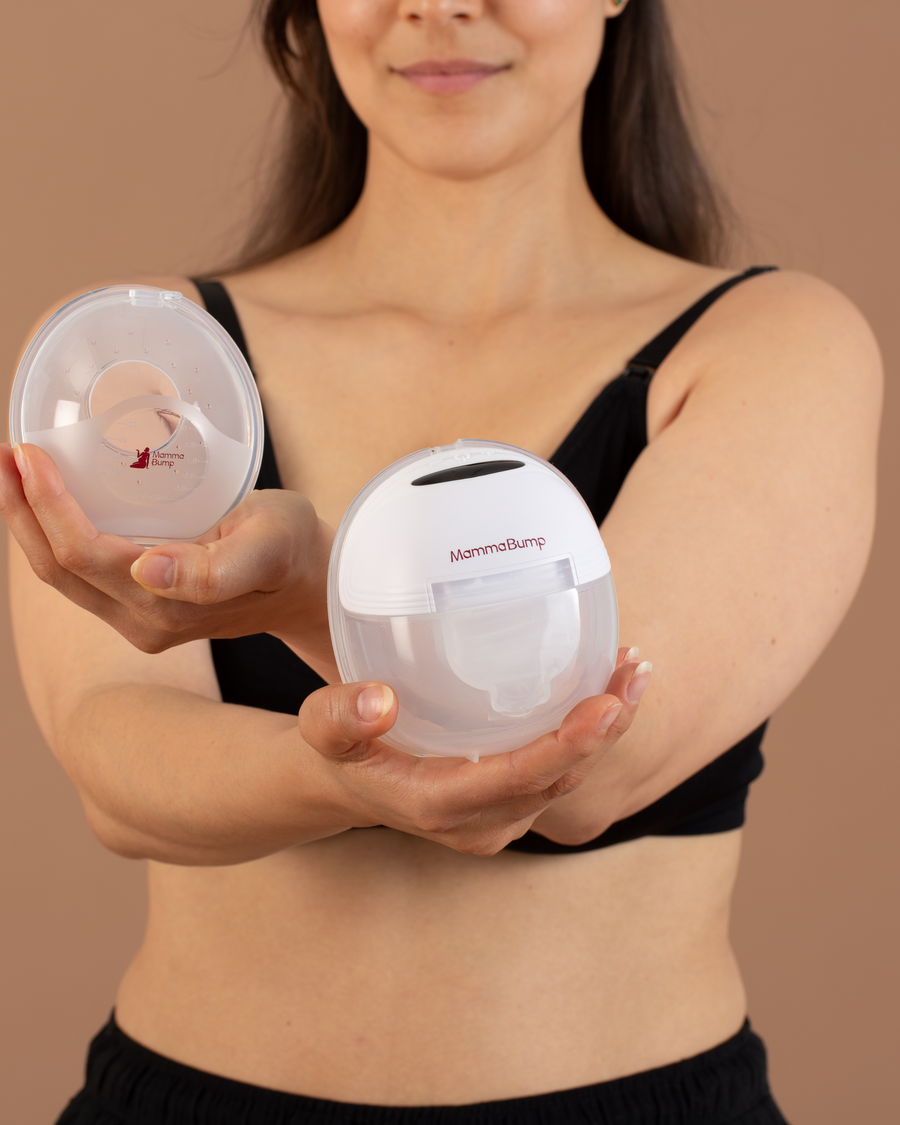

Written by Charlotte B.
MammaBump co-founder

More related posts
C-Section Full Recovery Guide

Why Is Your Baby Fighting Sleep?

The Truth About Breastfeeding
